Introduction: The Next Step in Digital Transformation
Most Jaipur businesses today run on a patchwork of software — a CRM here, an accounting tool there, a separate eCommerce dashboard, and perhaps a marketing platform. Each system holds valuable data, but when they cannot communicate, teams waste hours on manual data entry, errors multiply, and decision-making slows down. API integration solves the connectivity problem. When you add artificial intelligence on top of those connections, you move from simple data sharing to intelligent workflow automation — systems that not only exchange information but also learn, predict, and act on it.
As a software company in Jaipur working daily with startups, agencies, and enterprises, D&D Technology has seen first-hand how API-driven AI automation transforms operations. This article explains the concept, walks through practical use cases relevant to Jaipur businesses, and provides a clear implementation roadmap.
What Is API Integration and Why Does It Matter?
An Application Programming Interface (API) is a defined set of rules that allows two software applications to talk to each other. API integration means connecting your business tools — CRM, ERP, eCommerce store, payment gateway, email platform, analytics dashboard — so they share data automatically and in real time.
Without integration, your sales team might enter order details into the website dashboard, then manually update the accounting software, then send a separate email to logistics. With proper API integration, the moment a customer places an order, inventory updates, an invoice generates, and a shipping notification triggers — all without human intervention.
For a growing business in Jaipur, this means fewer errors, faster order fulfilment, and a complete view of operations from a single dashboard.
Adding AI to API Integration: From Connection to Intelligence
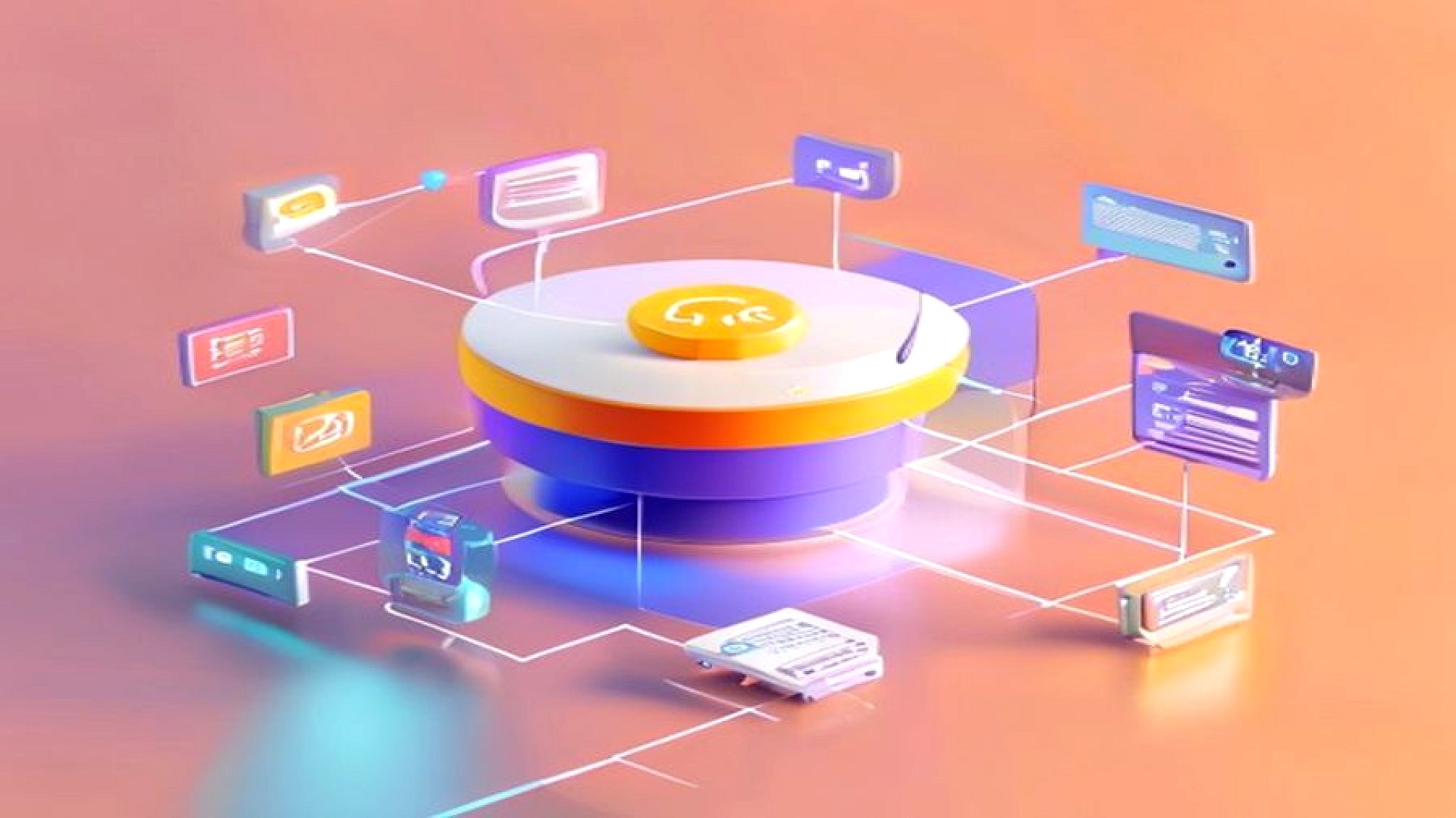
Basic API integration moves data from point A to point B. AI-driven connectors go further — they analyse the data in transit, identify patterns, make predictions, and trigger intelligent actions.
Here is how AI enhances traditional API integration:
- Data Enrichment: AI models can automatically add context to incoming data. For example, when a new lead enters your CRM via an API, AI can score the lead, categorise it, and assign it to the right sales representative.
- Anomaly Detection: AI can monitor API data streams and flag unusual patterns — a sudden spike in refund requests, an unexpected inventory drop, or a suspicious login attempt.
- Predictive Triggers: Instead of reacting to events, AI can anticipate them. If your integrated system predicts that a product will go out of stock within three days, it can automatically place a purchase order with the supplier.
- Natural Language Processing: AI chatbots connected via APIs can handle customer queries, process orders, and update backend systems — all through conversational interfaces.
The result is an intelligent workflow that does not just connect systems but actively improves business processes.
Practical Use Cases for Jaipur Businesses
1. eCommerce Brands: Automated Order-to-Delivery Pipelines
Jaipur's eCommerce sector — from textiles and handicrafts to jewellery and blue pottery — is growing rapidly. An integrated AI workflow for an eCommerce brand might look like this:
- A customer places an order on the Shopify or WooCommerce store.
- The order API triggers an AI model that checks fraud risk based on order value, location, and payment method.
- Once verified, the inventory system updates across all sales channels simultaneously.
- AI selects the optimal logistics partner based on delivery location, cost, and past performance data.
- The customer receives an automated WhatsApp or email notification with tracking details.
- Post-delivery, AI schedules a review request and updates the customer's lifetime value score in the CRM.
ThisEvery step happens automatically, reducing processing time from hours to seconds.
2. Startups: Unified Growth Dashboards
Startups in Jaipur often use five to ten different SaaS tools — Google Analytics for traffic, Mailchimp for emails, Zoho for CRM, Razorpay for payments, and Notion for project management. Without integration, founders spend Sunday evenings compiling reports.
With API integration and AI automation:
- Data from all platforms flows into a central dashboard in real time.
- AI analyses trends and sends alerts: "Cost per acquisition increased 20% this week — review Facebook ad spend."
- Automated weekly performance reports generate and distribute to stakeholders without manual effort.
ThisFounders focus on decisions, not data collection.
3. Enterprises and Service Providers: Intelligent Customer Support
Jaipur-based service companies in real estate, healthcare, and education handle hundreds of enquiries daily. An AI-powered support system connected via APIs can:
- Pull customer history from the CRM when a call or chat comes in.
- Use an AI chatbot to resolve common queries instantly — appointment booking, fee structures, property availability.
- Escalate complex issues to human agents with full context already attached to the ticket.
- Log every interaction back into the CRM automatically for compliance and follow-up.
4. Local Businesses: Streamlined Operations
Restaurants, cafes, and retail shops in Jaipur benefit from connecting their POS systems, inventory management, and online ordering platforms. AI can predict demand based on historical data, weather, and local events — helping businesses prepare accordingly and reduce waste.
Step-by-Step Implementation Roadmap
Implementing API-driven AI automation does not require a massive overhaul. Here is a practical approach that D&D Technology follows with its clients:
Step 1: Audit Your Current Systems
Map every software tool your business uses. Identify data silos, manual handoff points, and repetitive tasks. This audit reveals where integration will deliver the highest impact.
Step 2: Define Clear Objectives
Do you want to reduce order processing time? Improve lead response speed? Automate reporting? Specific goals determine which APIs to connect and which AI capabilities to deploy.
Step 3: Choose the Right Integration Architecture
Depending on your scale and complexity, options include:
- Direct API connections for simple two-system integrations.
- Integration Platform as a Service (iPaaS) tools like Zapier, Make, or custom middleware for multi-system workflows.
- Custom API development when off-the-shelf connectors do not meet your requirements.
Step 4: Build and Train AI Models
Identify where AI adds value — lead scoring, demand forecasting, anomaly detection, or chatbot responses. Train models using your historical business data so predictions are relevant to your specific operations.
Step 5: Deploy, Monitor, and Optimise
Launch integrations in phases. Monitor data flows, track error rates, and measure KPIs against your initial objectives. AI models improve over time as they process more data, so continuous optimisation is essential.
Security and Scalability Best Practices
Connecting multiple systems introduces security responsibilities. Follow these practices to keep your integrated infrastructure safe and performant:
- Authentication and Encryption: Use OAuth 2.0 or API keys with TLS encryption for all data in transit. Never expose sensitive credentials in client-side code.
- Rate Limiting and Throttling: Prevent API abuse by setting request limits. This protects both your systems and third-party services you depend on.
- Data Validation: Validate every piece of data entering your system through an API. AI models are only as good as the data they consume.
- Access Control: Apply the principle of least privilege. Each API connection should only access the data and actions it absolutely needs.
- Scalable Infrastructure: Deploy integrations on cloud platforms like AWS or DigitalOcean with auto-scaling capabilities. As your Jaipur business grows, your integration layer should handle increased data volume without performance degradation.
- Logging and Auditing: Maintain detailed logs of all API calls and AI-driven actions. This supports debugging, compliance, and performance analysis.
Why Jaipur Businesses Should Act Now
Digital transformation is no longer optional. Customers expect fast responses, accurate information, and seamless experiences. Competitors — both local and global — are already automating their operations. Businesses in Jaipur that invest in API integration and AI automation today will build operational advantages that compound over time.
Whether you are a startup founder compiling reports manually, an eCommerce brand struggling with order management, or an enterprise looking to modernise customer support, intelligent workflow automation offers measurable improvements in efficiency, accuracy, and customer satisfaction.
How D&D Technology Can Help
D&D Technology is a Jaipur-based software development company with deep expertise in API integration, AI automation, custom software development, and cloud deployment. We work as a long-term technology partner — from planning and architecture to development, testing, and ongoing support.
Our team has experience building intelligent workflows for startups, eCommerce brands, and enterprises across Jaipur, Rajasthan, and global markets. We combine technical expertise with a practical, business-first approach to deliver solutions that save time, reduce costs, and drive growth.
Ready to automate your business operations with smart API integrations? Contact us for a free consultation or request a demo to see how AI-driven connectors can transform your workflows.
Design & Development Tech — Design. Develop. Deliver.
???? designanddevelopment.tech | ???? tech@designanddevelopment.tech | ???? +91 9511638160
Join the Conversation
0 Comments